ICOM IC-A25N Handheld NAV/COM Transceiver w/ Bluetooth – Open Box: Portable Aviation Radio
ICOM IC-A25N Handheld NAV/COM Transceiver w/ Bluetooth – Open Box: Portable Aviation Radio
Blog Article
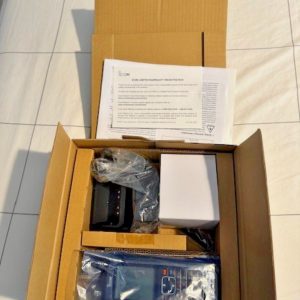
:::writingvariant="document" id="58314" ICOM IC-A25N Handheld NAV/COM Transceiver w/ Bluetooth – Open Box: Portable Aviation Radio The ICOM IC-A25N Handheld NAV/COM Transceiver w/ Bluetooth – Open Box combines user-friendly controls, portable convenience, aviation communication capability, navigation functions, and Bluetooth connectivity. For budget-conscious pilots, an open-box radio may provide a practical balance between modern functionality, reliable construction, and competitive purchase value. The ICOM IC-A25N Handheld NAV combines practical portability with features intended to support situational awareness and reliable aviation operations. A capable ICOM IC-A25N Aviation Radio can provide additional confidence during flights, training activities, maintenance events, and ground operations. The ICOM IC-A25N Handheld Radio can serve private owners, instructors, students, aircraft dealers, mechanics, and airport staff who need communication away from a fixed cockpit installation. A Handheld NAV/COM Aviation Transceiver can reduce the need to carry separate portable communication and navigation receivers for certain aviation tasks. Whether the requirement is a Handheld Aviation Radio, Aviation NAV/COM Radio, Pilot Handheld Radio, or Aircraft Communication Radio, buyers should review package condition, included accessories, battery health, and operational compatibility before purchase. For many operators, the radio can combine the roles of Portable Aviation Transceiver, Aviation Communication Device, Handheld Aircraft Radio, and emergency backup equipment.
Overview of the ICOM IC-A25N Aviation Radio
The radio’s portable construction allows it to support aircraft operations before departure, during flight, after landing, or while personnel are working around the airport. Its practical value comes from combining mobility, recognizable controls, aviation-focused operation, rechargeable power, and multiple communication or navigation functions. A handheld radio can provide valuable support, but performance may depend on antenna position, aircraft structure, terrain, distance, interference, battery condition, and operating environment. Pilots should test the radio during routine conditions and become familiar with its operation before expecting to use it during an urgent situation.Benefits of the ICOM IC-A25N Handheld NAV
A handheld NAV radio can be valuable to flight instructors who demonstrate aviation communication and navigation concepts during training. Private pilots may carry the device during cross-country flights, aircraft repositioning, fly-ins, or travel in rented airplanes. Navigation features should support rather than replace required pilot preparation, approved navigation equipment, current charts, and appropriate operational judgment. Pilots should avoid burying backup equipment under baggage where it cannot be reached quickly during flight.ICOM IC-A25N Aviation Radio Applications
Aviation professionals can carry the IC-A25N when moving between aircraft instead of depending entirely on equipment installed in one cockpit. Pilots attending fly-ins or traveling through unfamiliar airports may appreciate having portable access to communication frequencies. A complete written inventory helps purchasers compare the open-box price with the cost of replacing missing accessories separately. An independent review may provide additional confidence when the radio cannot be examined in person.Portable Benefits of the ICOM IC-A25N Handheld Radio
The IC-A25N provides flexibility for aviation users who need one communication device across multiple locations and operational roles. Battery contacts, charging ports, headset connections, controls, and the display should remain free from dirt, loose objects, and contamination. Users can review the interface in a quiet environment rather than learning controls during engine operation or busy airport activity. A portable radio should not be left in extreme heat, direct sunlight, freezing conditions, or damp environments for extended periods.Using a Handheld NAV/COM Aviation Transceiver
A feature-rich handheld transceiver can provide practical support while remaining compact enough for regular flight-bag use. Commercial value depends on condition, package completeness, included equipment, seller support, and the cost of any missing accessories. A brief function check can identify weak battery performance, loose accessories, damaged connectors, or configuration problems before departure. Regular care supports reliable operation, protects resale value, and reduces the risk of missing components.Choosing a Handheld Aviation Radio
A Handheld Aviation Radio is a practical tool for private pilots, instructors, students, mechanics, aircraft owners, flight schools, and airport support personnel. A handheld unit is most valuable when charged, accessible, tested, and familiar to the pilot before it is required. A handheld radio should be evaluated in the aircraft and environment where it will normally be used. Pilots must use aviation frequencies responsibly and comply with applicable licensing, authorization, frequency, and communication requirements.Aviation NAV/COM Radio Functions
A NAV/COM radio may support pilots who need backup communication while also valuing navigation-oriented information and operating flexibility. Important features should be practiced on the ground before the radio is used during high-workload phases of flight. Users should distinguish between convenience features, backup capability, training value, and equipment required for a particular flight. Volume and squelch should be adjusted appropriately while avoiding unnecessary distraction.Pilot Handheld Radio Applications
A Pilot Handheld Radio offers flexibility to aviation professionals whose work involves several aircraft, airports, and operational environments. Pilots should decide before departure where the radio will be located and how it will be retrieved during an abnormal situation. Emergency equipment is more useful when essential controls can be operated confidently without lengthy manual review. A battery that appears charged after long storage may not provide the operating duration expected under real conditions.Aircraft Communication Radio Benefits
Portable aircraft radios are useful when installed equipment is unavailable, an aircraft is unpowered, or personnel need communication away from the cockpit. Clear communication depends on more than radio quality because users must understand procedures, frequencies, terminology, timing, and radio discipline. Moving the radio or antenna within the cockpit may influence reception, but it must remain secure and clear of controls. Maintaining physical and electronic condition supports dependable Aircraft Communication Radio performance.Choosing a Portable Aviation Transceiver
Portability is valuable when users need one radio across several airplanes, buildings, vehicles, or operational locations. A protective case can separate the radio from tools, keys, metal objects, liquids, and heavy equipment inside a flight bag. Wireless connectivity may help pilots integrate the radio into a preferred communication setup when paired equipment is supported and configured correctly. Bluetooth settings can be reviewed during preflight preparation and confirmed before the aircraft begins moving.Benefits of an Aviation Communication Device
Commercial value is strongest when the radio includes the accessories, battery capability, and support required for actual use. Transparent condition information allows the purchaser to judge whether the price reflects the package accurately. Users should report intermittent operation, damaged accessories, weak batteries, charging concerns, or missing components promptly. A well-managed Aviation Communication Device can support efficient and dependable operations across many aviation roles.Handheld Aircraft Radio Applications
The radio’s portable form allows pilots to monitor or communicate without remaining seated at the aircraft instrument panel. Using the radio on the ground can preserve aircraft battery power and reduce the need to energize installed avionics solely for monitoring or coordination. A handheld radio should not be placed on an unstable surface where turbulence or maneuvering could send it across the cockpit. After ground or cockpit use, the radio should be checked for dirt, moisture, fuel residue, oil, impact damage, and accessory wear.Maintaining an Aviation Navigation Radio
The IC-A25N may appeal to pilots who want more than communication capability from their handheld flight-bag radio. Pilots should confirm which navigation functions are available, how they operate, and what limitations apply before relying on them. Pilots remain responsible for route planning, weather evaluation, airspace awareness, fuel management, and safe aircraft control. Careful preparation allows an Aviation Navigation Radio to provide practical value without increasing cockpit workload unnecessarily.Using an ICOM Pilot Radio
Pilots may choose an ICOM Pilot Radio because they want one familiar handheld device for training, travel, cockpit backup, and ground operations. Accessories, manuals, packaging, warranty eligibility, and previous registration may affect the practical and commercial value of the radio. The device should support the pilot’s normal workflow rather than requiring accessories or procedures that are inconvenient or incompatible. Once acquired, the radio should be labeled, documented, configured, charged, tested, and stored in an accessible location.Using an Emergency Aviation Radio
A backup transceiver should be included in emergency planning rather than carried without testing or operational preparation. Cockpit structure, antenna location, terrain, altitude, weather, buildings, and battery condition can influence emergency performance. Redundancy is strongest when the user has more than one practical method of hearing and transmitting with the device. Battery packs should be replaced when capacity declines, physical damage appears, charging becomes unreliable, or the manufacturer’s guidance indicates replacement.Choosing a Backup Aircraft Radio
Backup equipment can be particularly valuable during cross-country operations, aircraft delivery, training, rental flying, or travel in older aircraft. Pilots should confirm charge status, antenna attachment, audio output, Bluetooth pairing, memory organization, and accessibility. A simple and familiar arrangement is generally more useful during an abnormal situation than a complicated setup that has not been practiced. The handheld radio should support safe aircraft management rather than draw attention away from immediate flight responsibilities.Open-Box ICOM IC-A25N Purchase Checklist
Connectors and charging contacts should appear clean, straight, secure, and free from corrosion or contamination. Missing accessories can increase final cost and may prevent the radio from being used as expected immediately after delivery. The Bluetooth system should be checked for pairing, audio routing, connection get more info stability, and compatibility with supported equipment. The buyer should inspect the radio promptly after delivery and report any missing items, damage, or functional concerns according to the agreed terms.Routine Care for a Handheld Aviation Radio
A professional handheld transceiver should be managed as aviation equipment rather than treated like an ordinary consumer radio. Reliable readiness comes from planned inspection, charging, practice, and responsible storage.- Examine high-use areas regularly and document any repair, battery replacement, charging concern, impact, or intermittent operation.
- Keep the operating guide or a simple quick-reference resource accessible until important functions are fully familiar.
- Record any missing component, operating concern, battery issue, or required service before returning the radio to backup status.